
NEWS
They Won’t Say It Out Loud… But Signs Point to a Dangerous Moment Between Israel and Iran”

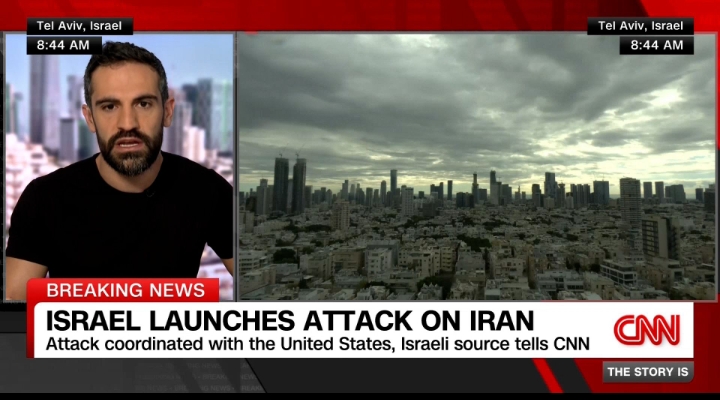
Israel and U.S. Launch Pre-Emptive Strikes on Iran, Major Escalation in Middle East
Date: February 28, 2026
Location: Tehran and multiple Iranian cities (reported)
In a dramatic escalation of long-running tensions in the Middle East, Israel announced that it launched a pre-emptive military strike against Iran on February 28, 2026, marking one of the most serious direct confrontations between the two countries in decades. Explosions were reported in Tehran and other parts of Iran shortly after the operation began.
The offensive — described by the Israeli government as “pre-emptive” — was reportedly carried out in close coordination with the United States. According to U.S. and Israeli officials, strikes targeted key military and strategic locations in several Iranian cities including Tehran, Isfahan, Qom, Karaj and Kermanshah.
What Happened
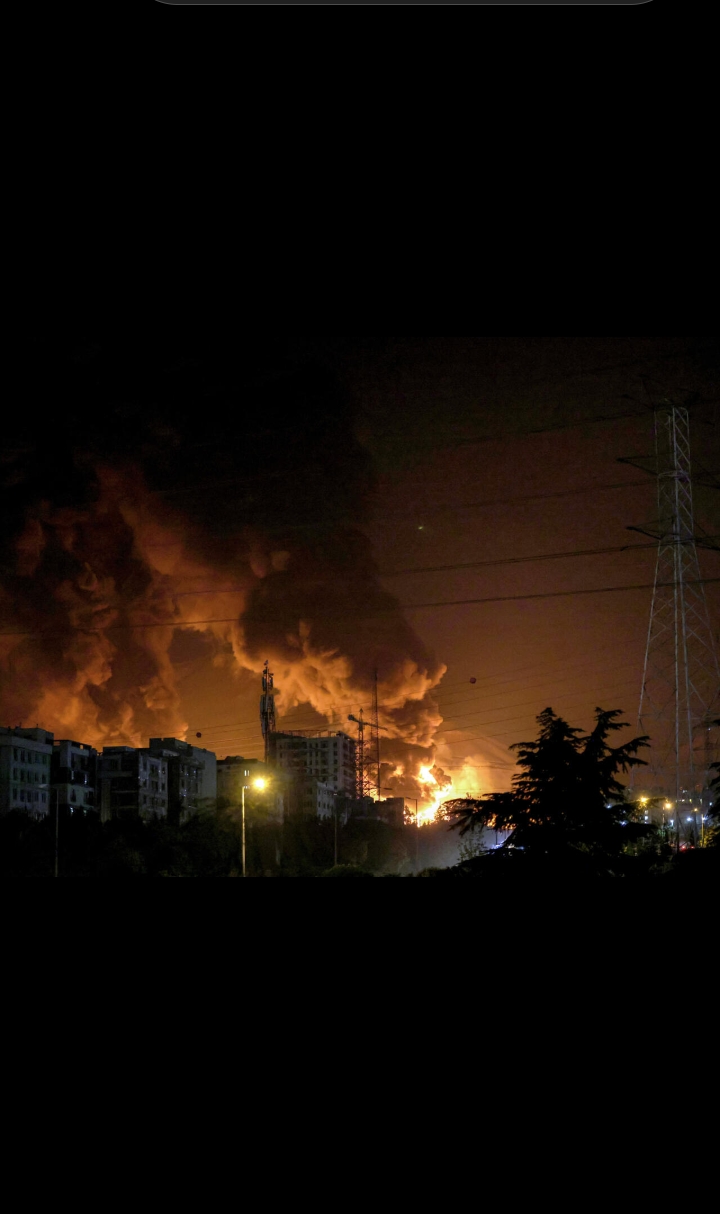
- Explosions reported in Tehran: Smoke was seen rising over downtown Tehran, and several blasts were heard near government and strategic facilities. Reports indicate that some of the strikes were close to offices linked with Iran’s Supreme Leader.
- State of emergency and airspace closures: In response to the heightened threat of retaliation, Israel declared a nationwide state of emergency and closed its airspace to civilian flights. Iran also closed its airspace following the attacks.
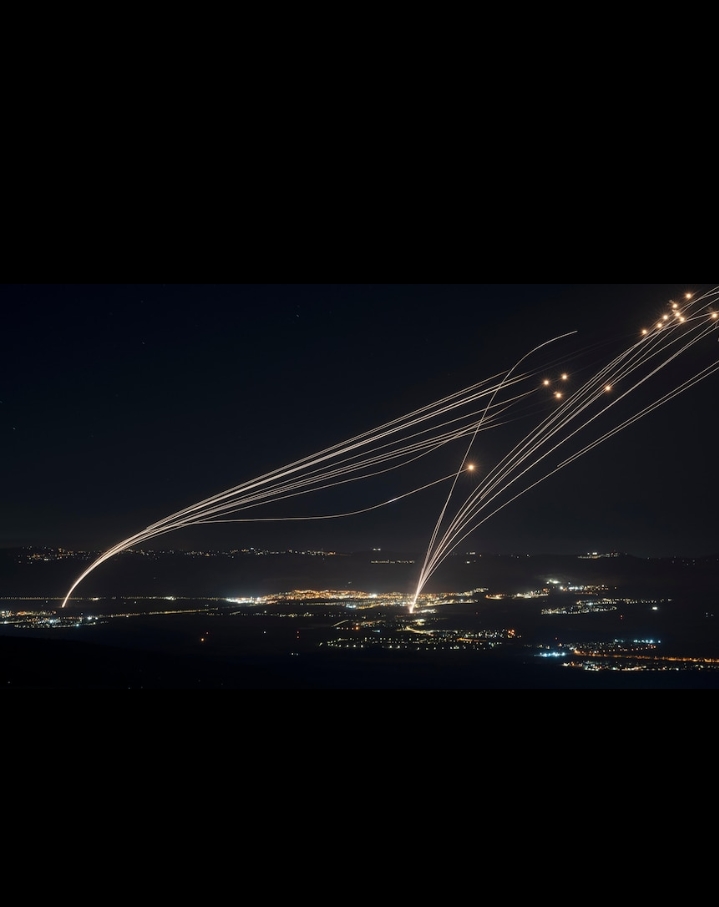
- Warnings of retaliation: Israeli authorities warned citizens to prepare for possible Iranian missile or drone counter-attacks, reflecting fears of a broader escalation.
Why the Attack Was Launched
Israeli officials, including Defense Minister Israel Katz, framed the operation as aimed at neutralizing immediate threats to Israel’s security — particularly Iran’s missile and nuclear capabilities. Israeli leaders have long argued that Tehran’s nuclear program and regional influence pose an existential risk to Israel.
The U.S. government, which reportedly participated in the strikes with air and naval assets, stated its involvement framed around the need to degrade Iran’s military capabilities and avoid further destabilization — though specific strategic objectives beyond immediate targets have not been detailed publicly.
Broader Context
The February 28 attack comes against the backdrop of worsening relations between Tehran and Western allies:
- Iran’s nuclear program: Diplomatic efforts to curb Iran’s uranium enrichment and nuclear development stumbled earlier this year, despite resumed talks in Geneva and Vienna involving the International Atomic Energy Agency (IAEA). The watchdog has warned it cannot fully verify Iran’s nuclear activities, raising concerns about Tehran’s direction.
- Previous conflicts: The countries’ hostilities have flared periodically, including an intense 12-day confrontation in June 2025 in which Israel and the U.S. struck several Iranian nuclear sites, and Iran responded with missile and drone attacks on Israeli territory.
International and Regional Implications
The strikes have intensified regional anxiety:
- Airspace disruptions: Neighboring countries such as Iraq also closed airspace amid the attacks, demonstrating wider instability affecting civilian travel and trade.
- Proxy tensions: Regional actors like Lebanon’s Hezbollah have been urged to refrain from involvement to avoid dragging other states into conflict, but fears remain high that proxy forces may be drawn into the dispute.
- Global diplomatic pressure: World powers are likely to respond through diplomatic channels, with the potential for sanctions, emergency UN Security Council meetings, or calls for ceasefires as violence escalates.
What Comes Next
Casualty figures and the full scope of damage from the strikes remain unclear as of this writing. Iranian officials have not released a detailed account of the toll, and international monitoring remains limited. Both sides have signalled a readiness to defend their interests, raising deep concerns about the possibility of a prolonged conflict that could draw in regional and global powers.

“FBI Busts Shocking Hacker in Explosive Leak of Scarlett Johansson’s Private Photos—What They Found Will Leave You Stunned!”

“Livrah Curves Breaks the Internet: The Bold Confession Behind Her Bare Confidence That Has Fans Watching Twice…”

It was really painful, I thought I hurt my boobs popular Instagram celebs shares pictures of her hitting her boobs on the

“Fans Stunned as Alleged Mandy Sacs OnlyFans ‘Leak’ Surfaces Online — What Was Never Meant to Be Seen?”

Not again Serena Williams laments as photos none seen before. on her phone got leaked to only fans watch all photos

My lawyer is on it, Serena Williams in a Beachside Moment She Never Expected Anyone to See

I Know People Will Be Looking for It Online” — Serena Williams Breaks Silence Over Leaked Pictures

“Now people are gonna go look for it” – Female ex-WWE star reveals her topless pictures have leaked

Serena Williams Turns Heads in a Sexy White Gown—The Photos Are Breaking the Internet

Gasps Across the Runway: Serena Williams Steps Out in a Transparent Dress—and the Crowd Couldn’t Believe What They Saw

I never thought about it, Beach Bombshell: Serena Williams’ Playful Striptease Moment Sends the Internet Into Absolute Meltdown
