
NEWS
World on Edge: Has Ayatollah Ali Khamenei Been Eliminated in a Secret U.S. Attack… See full story

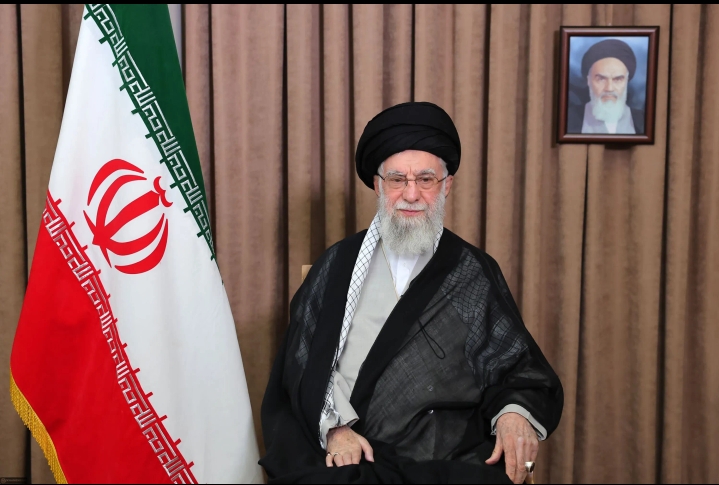
In what may be one of the most shocking developments in Middle East geopolitics in decades, multiple international news organizations are reporting that Iran’s Supreme Leader, Ayatollah Ali Khamenei, has been killed during a coordinated military attack by the United States and Israel.
What Happened?
On February 28, 2026, joint airstrikes by U.S. and Israeli forces struck targets across Iran, including sites in and near Tehran. According to senior U.S. and Israeli officials, these strikes targeted Iran’s top leadership and strategic military infrastructure as part of a broad campaign to cripple Iran’s nuclear, missile, and defense capabilities.
Israeli sources have said that Khamenei’s body was recovered from a heavily damaged compound, and both Israeli Prime Minister Benjamin Netanyahu and U.S. leaders have indicated they believe he has been killed. U.S. President Donald Trump described the strike as a decisive blow to Iran’s regime.
Confirmation and Denials
However, Iranian state media and government officials are disputing the reports. Iranian authorities have called foreign claims of Khamenei’s death “psychological warfare” and insist the supreme leader remains alive and in command. No irrefutable public proof — such as independent video or direct communication — has yet been released to confirm the circumstances.
This has led to a conflicting media environment: Western outlets are citing both official U.S. and Israeli statements that support the claim of Khamenei’s death, while Iranian outlets deny it. Independent confirmation continues to be difficult due to the intensity of military operations and restrictions on media access.
Context: Why This Matters
Ayatollah Ali Khamenei, 86, has ruled Iran since 1989 and was one of the world’s longest-serving leaders. His leadership saw deep tensions with the United States and Israel, particularly over Iran’s nuclear development and support for proxy groups across the Middle East.
Relations between Tehran and Washington/Israel have been extremely strained for years, with nuclear negotiations breaking down and periodic military encounters escalating into broader confrontations. The latest strikes follow those earlier military actions aimed at diminishing Iran’s nuclear infrastructure.
Immediate Aftermath and Regional Fallout
- Iran has launched missile and drone retaliation against U.S. and Israeli targets in the region.
- Flights and civilian life in parts of the Middle East have been disrupted due to rising hostilities.
- Oil markets and global trade routes — especially in and around the Strait of Hormuz — are under pressure amid fears of a broader conflict.
Global Reactions and Division
World reactions are sharply divided:
- Supporters of the strikes argue they are a necessary measure to prevent Iran from acquiring nuclear weapons and supporting militant proxies.
- Critics have condemned the action, pointing to the bypassing of international authorizations and fears of a wider war. Some nations have pressed for emergency United Nations discussions on the legality and consequences of the attack.
What’s Next?
With no independent or universally accepted confirmation of Khamenei’s death yet, some uncertainty remains. Analysts are watching for:
- Further official evidence or statements from Iran, the U.S., or international observers.
- Possible domestic reaction within Iran, including political succession questions.
- Escalation or de-escalation of military engagements across the region.

“FBI Busts Shocking Hacker in Explosive Leak of Scarlett Johansson’s Private Photos—What They Found Will Leave You Stunned!”

“Livrah Curves Breaks the Internet: The Bold Confession Behind Her Bare Confidence That Has Fans Watching Twice…”

It was really painful, I thought I hurt my boobs popular Instagram celebs shares pictures of her hitting her boobs on the

“Fans Stunned as Alleged Mandy Sacs OnlyFans ‘Leak’ Surfaces Online — What Was Never Meant to Be Seen?”

Not again Serena Williams laments as photos none seen before. on her phone got leaked to only fans watch all photos

My lawyer is on it, Serena Williams in a Beachside Moment She Never Expected Anyone to See

I Know People Will Be Looking for It Online” — Serena Williams Breaks Silence Over Leaked Pictures

“Now people are gonna go look for it” – Female ex-WWE star reveals her topless pictures have leaked

Serena Williams Turns Heads in a Sexy White Gown—The Photos Are Breaking the Internet

Gasps Across the Runway: Serena Williams Steps Out in a Transparent Dress—and the Crowd Couldn’t Believe What They Saw

I never thought about it, Beach Bombshell: Serena Williams’ Playful Striptease Moment Sends the Internet Into Absolute Meltdown
